
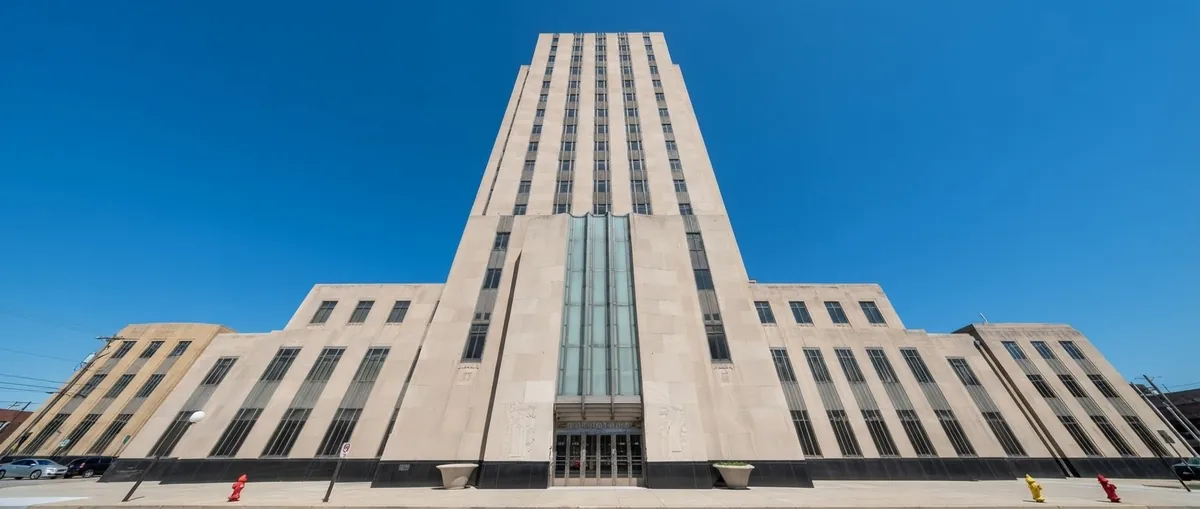
Court records in Ramsey County, Minnesota, are maintained and serviced by the district court clerk's office. To find public information about court cases, start with RamseyCourt.us — a resource that helps quickly navigate public court records in the county. Official portals, including Minnesota Court Records Online (MCRO) and the Ramsey County District Court records page, provide online access to case materials. You can also contact the court clerk's office directly or use public access terminals in the courthouse.
Ramsey Court System Overview
Ramsey County is part of the Second Judicial District of Minnesota, which exclusively serves this county — the only one in the state where the judicial district covers just one county. The Ramsey County District Court handles all categories of cases: criminal, civil, family, probate, juvenile, and traffic violations. Minnesota has a unified trial court system — the district court — without a separate magistrate court as an independent entity; instead, individual judges may be appointed to hear specific categories of cases.
The courthouse is located in downtown St. Paul:
Courts Serving Ramsey
Residents of Ramsey County may have cases in several courts depending on the type of claim or charge.
State District Court
U.S. District Court
U.S. Bankruptcy Court
There are no municipal courts in Ramsey County — all local-level cases are heard by the district court.
What Types of Cases Ramsey Courts Hear
The district court in Ramsey County has general jurisdiction. Here are the main categories of cases:
- Criminal cases: felonies, misdemeanors, gross misdemeanors
- Traffic violations, including DUI/DWI
- Civil claims of any size, including small claims (conciliation court / small claims)
- Family law: divorce, child custody, child support, paternity, protective orders
- Probate cases: estate administration, guardianship, conservatorship
- Juvenile cases: juvenile offenses, child protection, adoption
District Court Cases in Ramsey
In Minnesota, there is no division into "district court" and "magistrate court" as separate entities — the unified district court hears all cases. Felonies go through the full cycle from initial hearing to jury trial here. Civil claims of any amount — from neighbor disputes to multimillion-dollar commercial cases — also come to this court. A specific judge is assigned to the case, handling it from the first hearing to the decision. Appeals from conciliation court (small claims) decisions are heard by the same district court, but as a new case (trial de novo). After sentencing, a convicted person may file a motion for sentence review through this court.
Magistrate Court Cases in Ramsey
Formally, there is no separate magistrate court in Minnesota. However, the district court appoints referees and judges who specialize in certain categories of cases that would be heard by a magistrate in other states. Misdemeanors, traffic violations, and DWI cases start with an arrest or court summons and go through arraignment, pretrial hearings, and, if necessary, trial — all within the district court.
Conciliation court (similar to small claims) handles civil disputes up to $15,000 under a simplified procedure. Preliminary hearings in felony cases, where a judge determines if there is enough evidence to proceed to a full trial, also occur here. Due to high caseloads in Ramsey County, certain judges may be assigned to specific calendars — criminal, civil, or family.
Family Law, Probate, and Juvenile Matters in Ramsey
Family Law. Divorce, custody disputes, child support, protective orders from domestic violence (Orders for Protection), paternity establishment, and termination of parental rights are all handled by the district court. Divorce records are kept at the Saint Paul City Hall — Ramsey County Courthouse. Certified copies of the divorce decree can be obtained from the clerk's office of the county where the decision was made, as noted by the Minnesota State Law Library.
Probate Cases. Estate administration of deceased persons, appointment of guardians for incapacitated individuals, conservatorship, and trust issues fall under the jurisdiction of the district court. Applications are filed with the court clerk's office, and a designated judge handles the case.
Juvenile Matters. Juvenile cases — from offenses to child abuse and adoption — are heard by the juvenile division of the district court. Juvenile records are confidential under Minnesota law and are not accessible to the general public.
How Cases Move Through the Ramsey Court System
- Case Initiation. A criminal case begins with the filing of a criminal complaint by the prosecutor. A civil case starts with the filing of a complaint and summons to the defendant. Family and probate cases begin with the filing of a petition.
- Judge Assignment. The court clerk's office assigns a case number and appoints a judge according to internal distribution rules.
- First Hearing. In criminal cases, this is the arraignment — the defendant is informed of the charges and bail conditions are set. In civil cases, it's a scheduling conference where the judge sets the timeline.
- Pretrial Phase. Parties exchange evidence (discovery), file motions. In criminal cases, plea negotiations may occur.
- Trial or Resolution. A case may conclude with a plea agreement, jury verdict, settlement, or default judgment.
- Post-Judgment. Sentencing in criminal cases, filing an appeal to the Minnesota Court of Appeals, enforcement of judgment in civil cases.
Court Administration, Local Rules, and Public Access in Ramsey
The administration of the courts of the Second Judicial District is overseen by the district's administrative judge along with the trial court administrator. For information on local court rules, refer to the Ramsey County District Court page on the Minnesota Judicial Branch portal.
Public access to court records is governed by the Rules of Public Access to Records of the Judicial Branch. Most court documents are publicly accessible, but some categories — juvenile cases, mental health records, certain family documents — have restricted access. Requests for public data in the county can be submitted through the Data Practices Request form in accordance with the Minnesota Government Data Practices Act.
Hearings can be attended in person at the courthouse. For some categories of cases, remote hearings are available — check the possibility of participation via Zoom or phone with the court clerk's office at (651) 266-8266. The Records Office has public access terminals for viewing cases.
Court Records and Related Court Resources in Ramsey
- Online Case Search. The Minnesota Court Records Online (MCRO) system allows searching for cases by defendant's name, case number, or attorney's last name. Select Ramsey County in the filter for local search.
- Court Records and Clerk's Office. The Court Records page contains instructions for online search and in-person visits to the records office. Additional information on court documents is provided by the State Law Library.
- Arrest Warrant Search. The Ramsey County Sheriff's Office provides an online tool for active warrant search.
- Inmate Roster. The Adult Detention Center Roster is updated every 30 minutes and contains data on current inmates and those released within the last 5 days.
- Booking Reports. Information on individuals in custody is available on the sheriff's website. Arrest data comes from arresting agencies, official charges from the prosecutor's office.
- Criminal History. To obtain a criminal history arrest report, contact the sheriff's office — you will need the person's name and date of birth.
- Case Updates from the Prosecutor's Office. The Case Updates page of the county attorney's office publishes information on high-profile cases.
- Property Records. The Recorder's Office maintains official property documents. Access to recorded documents is available online through the RecordEASE system or at the Property Records Resource Center.
- Taxes and Property Value. Use the tax and value lookup tool to view information about a specific parcel.
- Interactive Map. MapRamsey provides access to property records, aerial photography, and other geodata.